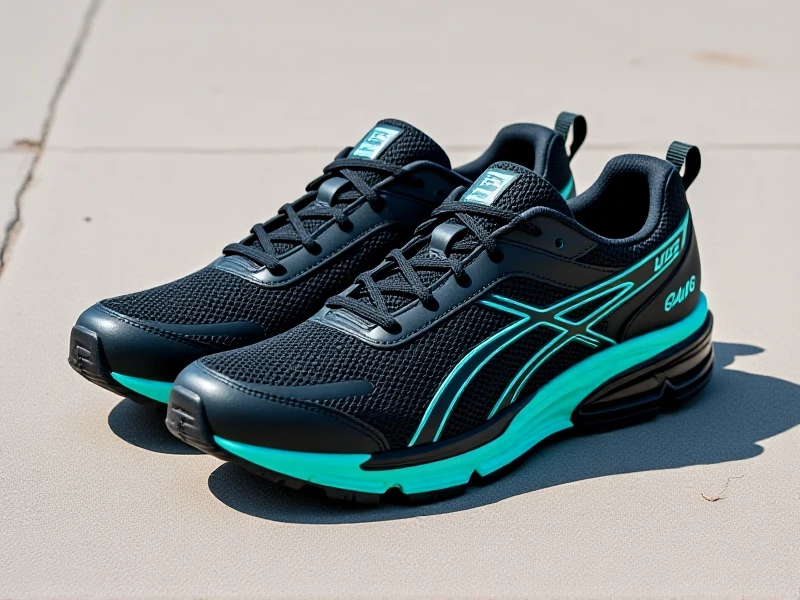
Finding Your Perfect Pair: A Runner’s Guide to Men Running Shoes
Hitting the pavement or the trails requires more than just determination; your feet need the right partner. Choosing the best Men Running Shoes is fundamental for comfort, performance, and injury prevention. With countless options flooding the market, navigating the choices can feel overwhelming. Don't worry, this guide breaks down the key factors to help you pick the ideal men's running sneakers for your stride.
First, understand your running biomechanics. Are you a neutral runner, an overpronator needing stability, or an underpronator (supinator) requiring extra cushioning? Visiting a specialized running store for a gait analysis is highly recommended. They can identify your foot strike pattern and recommend suitable running shoes for men with the right level of support or motion control. Ignoring this can lead to aches and setbacks.
Next, consider the terrain. Road running shoes prioritize lightweight cushioning and flexibility for smoother surfaces. If trail running is your passion, opt for trail-specific men's running sneakers. These provide enhanced traction with aggressive lugs, better protection against rocks and roots, and often more durable uppers and overlays. Using road shoes on rugged trails increases slip risk and tears through the outsole faster.
Cushioning is king for comfort and impact absorption. The level varies significantly between models, from minimal, responsive soles favored by competitive runners to maximum plush cushioning ideal for recovery runs or heavier runners. Modern midsoles use advanced foams like EVA, TPU (often branded as Boost, DNA Loft, React), and Pebax, offering a blend of soft landings and energy return.
Fit is non-negotiable. Men Running Shoes should feel supportive and snug, particularly around the midfoot and heel, without any pinching or excessive movement. Ensure there's about a thumb's width of space between your longest toe and the shoe's end. Remember, feet swell during runs, so trying shoes on later in the day is wise. Examine the upper: breathable, secure mesh reduces friction and keeps feet cool, while synthetic overlays provide structure.
Finally, think about weight and breathability. Lighter shoes generally feel faster and less fatiguing over long distances. Breathable uppers prevent overheating and blisters, crucial for warm conditions or intense workouts. Look for men's running shoes that offer the right balance for your typical runs.
In conclusion, your perfect pair of men running sneakers is a fusion of your unique biomechanics, running style, and the surfaces you conquer. Prioritize fit, support tailored to your gait, appropriate cushioning, and the right outsole for your terrain. Investing time in choosing wisely translates to miles of comfortable, powerful running. Before your next run or race, consider these features and step confidently forward.
(Word Count: Approx. 410)